
Posted by Chris Holroyd
Filed in Business 117 views
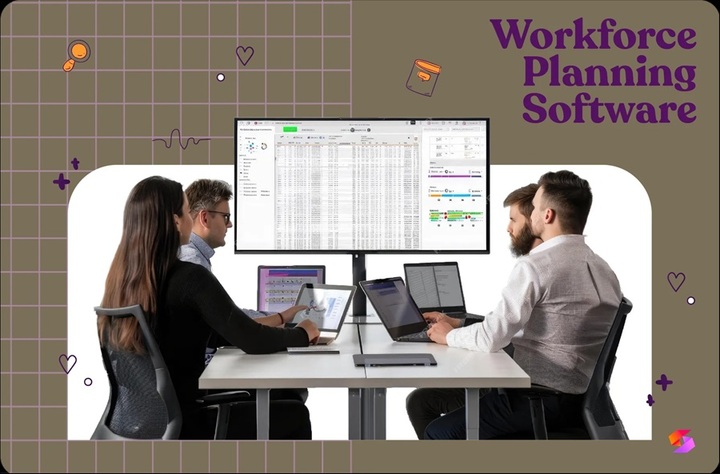
Organizations today face a common challenge—having the right people available when the business needs them most. Rapid technological changes, shifting customer demands, and evolving job roles make workforce planning more complex than ever. Relying on spreadsheets or outdated HR processes is no longer enough.
This is where strategic workforce planning software becomes essential. It helps businesses understand their workforce, identify future talent needs, and make smarter decisions based on skills, data, and business goals.
ProFinda is one of the leading platforms designed to help organizations discover workforce capabilities, match people with opportunities, and support long-term workforce planning.
Strategic workforce planning software is a digital solution that helps organizations align their workforce with future business objectives. Instead of focusing only on current staffing levels, it provides insights into future workforce requirements, skills availability, talent gaps, succession planning, and workforce mobility.
The software combines employee data, skills intelligence, analytics, and forecasting to help HR leaders and business managers make informed workforce decisions.
Rather than asking, "Who is available today?" organizations can answer questions like:
Business priorities change quickly. Companies expand into new markets, launch products, adopt new technologies, or restructure departments. Without a workforce strategy, organizations often experience:
Using strategic workforce planning software allows organizations to prepare instead of reacting to workforce challenges after they occur.
A modern workforce planning platform should offer much more than employee records.
Understanding employee skills is the foundation of effective workforce planning.
The software creates detailed skills profiles, making it easier to identify expertise across the organization.
With ProFinda, businesses can uncover hidden skills and better utilize internal talent before looking outside the company.
Good decisions require accurate data.
Strategic workforce planning software provides dashboards and reports that help leaders understand:
These insights support long-term planning and reduce guesswork.
As businesses evolve, new skills become necessary.
The software compares current workforce capabilities with future business needs, helping organizations identify:
This proactive approach minimizes future talent shortages.
Many organizations overlook qualified employees already working within the business.
Instead of recruiting externally, workforce planning software helps managers discover employees who are ready for new projects, promotions, or cross-functional roles.
Internal mobility also improves employee satisfaction and career development.
Business conditions rarely stay the same.
Strategic workforce planning software allows organizations to model different workforce scenarios before making important decisions.
For example:
Leaders can evaluate workforce impacts before implementing changes.
Replacing experienced employees without preparation can disrupt operations.
The software identifies future leaders, monitors readiness, and supports leadership development plans.
This ensures critical positions remain filled even during organizational changes.
Organizations gain a complete view of employee skills, experience, certifications, and capabilities.
This visibility supports faster and more confident decision-making.
Instead of hiring based on assumptions, companies recruit according to verified business needs and future workforce forecasts.
This reduces unnecessary recruitment expenses.
Employees are more motivated when they receive opportunities that match their skills and career goals.
Better workforce visibility creates more meaningful internal career pathways.
Hiring externally is often expensive.
When businesses identify internal talent first, they can reduce recruitment costs while retaining valuable institutional knowledge.
Organizations that understand their workforce can adapt more quickly to market changes.
Whether responding to new customer demands or launching strategic initiatives, workforce planning software enables faster workforce alignment.
ProFinda helps organizations move beyond traditional workforce management by focusing on skills, talent intelligence, and workforce optimization.
The platform enables businesses to:
By connecting workforce data with business priorities, ProFinda enables organizations to make workforce decisions based on evidence rather than assumptions.
Almost every industry can benefit from workforce planning, including:
Banks and financial institutions use workforce planning to prepare for regulatory changes, digital transformation, and evolving customer expectations.
Public sector organizations improve workforce deployment while making better use of internal expertise.
Hospitals and healthcare providers plan staffing based on patient demand, workforce availability, and specialized skills.
Consulting firms can match consultants to projects according to expertise, certifications, and availability.
Technology companies identify future technical skill requirements while supporting employee development and innovation.
Global organizations gain visibility into workforce capabilities across multiple regions and business units.
Before selecting a solution, consider the following factors:
Choosing software that supports both today's workforce needs and tomorrow's business strategy delivers greater long-term value.
Organizations achieve better results when they:
These practices help businesses remain competitive while maximizing the value of their workforce.
Strategic workforce planning software helps organizations forecast future workforce needs, identify skill gaps, analyze workforce data, and align talent strategies with long-term business goals.
It helps organizations make informed staffing decisions, optimize workforce utilization, reduce recruitment costs, strengthen succession planning, and improve employee retention through data-driven workforce insights.
Skills intelligence provides a clear understanding of employee capabilities, making it easier to match people with projects, identify future skill gaps, and support career development.
Yes. By identifying qualified internal talent and improving workforce forecasting, organizations often reduce external recruitment costs and improve workforce efficiency.
ProFinda combines skills intelligence, workforce analytics, internal talent mobility, and workforce planning capabilities into a single platform. It helps organizations discover hidden talent, align workforce decisions with business strategy, and build a more agile workforce.
Workforce planning has become a strategic business function rather than just an HR responsibility. Organizations that understand their workforce today are better prepared for tomorrow's challenges.
Investing in strategic workforce planning software enables businesses to anticipate workforce needs, close skill gaps, improve talent utilization, and support sustainable growth.
With ProFinda, organizations can gain deeper visibility into workforce capabilities, unlock internal talent, and create a workforce strategy that supports long-term business success.