
Posted by Ashok Munot
Filed in Business 8 views
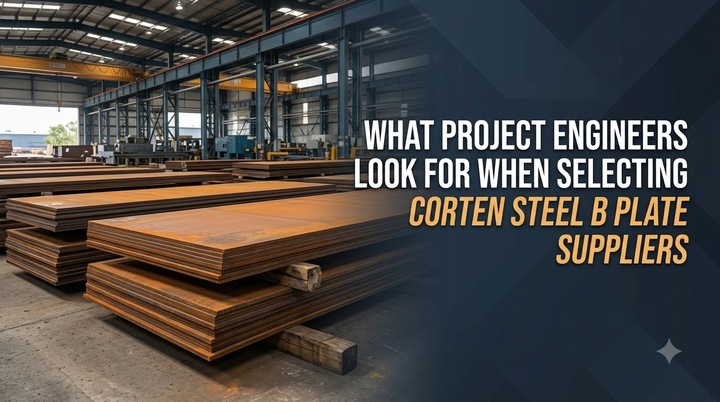
The use of Corten Steel B plate is growing in construction, infrastructure, architectural, transportation, and industrial projects. Project engineers must make careful decisions during supplier selection. This choice directly affects material quality, project timelines, compliance, and long-term performance. A poor-quality batch of steel delays entire construction schedules. Procurement teams evaluate specific factors when choosing a reliable Corten Steel B plate supplier for demanding applications. They look at testing, capacity, processing, and documentation before signing purchase orders.
This grade provides heavy atmospheric corrosion resistance. The steel forms a stable rust-like appearance after weather exposure. This protective layer stops deeper rust penetration. The material has high strength and durability under load. Engineers specify this steel because it has low maintenance requirements. You do not need to paint the plates in most outdoor applications.
You will see these plates in bridges and highway infrastructure. They are common in architectural facades and large outdoor sculptures. Railway and transportation projects use this steel for railcars and shipping containers. Industrial equipment and heavy storage structures also rely on this material. The steel handles harsh outdoor environments well.
Material quality dictates project performance. A weak plate will fail under stress or corrode faster than expected. Large-scale projects need dependable supply chains. If a shipment is late, the fabrication yard stops working. Proper supplier selection is about reducing risks associated with non-compliant materials. An inexperienced supplier might send steel with the wrong chemical composition. Engineers cannot accept those risks.
Engineers check the chemical composition first. The copper, chromium, and nickel levels must be exact to meet material consistency and performance requirements. The steel must show specific yield and tensile strengths during testing. Compliance with industry specifications is mandatory. Inspectors reject plates that fail these basic mechanical tests.
You cannot use steel in an engineering project without paperwork. Suppliers must provide mill test certificates and inspection reports with every delivery. These documents prove the steel matches the required grade. Engineers demand complete traceability and quality assurance records.
Good suppliers offer plate cutting, customization, and value-added processing services. A project might need specific bevels or drilled holes before delivery. The supplier needs the machinery and ability to meet project-specific dimensions and specifications. You want to see consistency in production and quality control procedures at their facility. If their cutting machines are outdated, the plate edges will be rough. The fabrication team will waste time grinding those edges smooth on the job site.
Suppliers must hold enough stock in their yards. Managing urgent and large-volume project requirements is difficult without physical inventory. Lead times dictate the entire construction schedule. Engineers ask suppliers about their current stock levels before awarding contracts. Ensuring uninterrupted material supply keeps the fabricators working.
Moving heavy steel plates requires strong logistics. Suppliers need efficient shipping and export handling processes. This includes secure loading and customs clearance for overseas jobs. Timely delivery for domestic and international projects is non-negotiable. If plates get stuck at a port due to bad paperwork, the resulting delays cost the engineering firm heavily.
Procurement teams look at the supplier's track record. They want a company with strong experience serving the engineering and infrastructure sectors. Selling standard mild steel is different from handling weathering steel projects. The supplier needs a deep understanding of application-specific material requirements. Project engineers look for the ability to provide technical support and product guidance. A knowledgeable supplier will catch errors in a material request before the steel is cut and shipped.
A warehouse full of steel is not enough. The facility must operate under strict quality management and manufacturing standards. Engineers check for formal certifications. This shows a commitment to inspection and continuous quality improvement. Supplier credibility and industry recognition carry weight. If an audit reveals poor storage practices, engineers will find another source. Plates left in standing water will develop pitting rust instead of the desired protective patina.
An inexpensive quote is rarely the best choice. Engineers focus on balancing price with quality and performance. They look at the total cost of ownership. This means considering lifecycle value and maintenance savings. A poor-quality plate that requires replacement in ten years is not a good investment. Procurement teams work on avoiding procurement risks associated with low-cost materials. Very low prices usually mean the steel lacks proper documentation or the chemical composition is wrong.
Engineers need technical assistance during project execution. The supplier should offer material selection support if field conditions change. Fabricators often need guidance on fabrication and application requirements. Welding weathering steel requires specific filler metals. A good supplier answers these technical questions quickly.
Project scopes change fast. A reliable supplier handles project changes and urgent requirements without confusion. Good responsiveness builds long-term supplier relationships. Procurement managers do not want to chase sales reps for order updates. They need clear answers on shipping schedules and material status.
Engineers must ask direct questions during the audit phase. Can the supplier provide complete material documentation for every plate? Does the supplier have experience with similar projects in the same climate? They need to know what the production and delivery capabilities are right now. Are customized specifications and project requirements supported locally? Engineers must verify these details to maintain quality control.
Engineering firms benefit from strategic supplier relationships. Working with the same vendor across multiple jobs creates efficiency. It ensures consistent quality and dependable project execution. The supplier learns the specific preferences and delivery requirements of the engineering team. Strong partnerships end up supporting future infrastructure and industrial developments. A reliable supply line lets the engineering company bid on larger contracts with confidence.
Several factors matter when project engineers select Corten Steel B plate suppliers, including material quality, certifications, manufacturing capabilities, delivery reliability, technical expertise, and customer support. Choosing the right supplier is essential for ensuring project success, minimizing operational risks, and achieving long-term performance in demanding engineering applications. Engineers must emphasize the importance of partnering with experienced and reliable suppliers that can consistently meet project specifications and industry expectations. The right partner protects the structure and the project budget.