
Posted by Ashok Munot
Filed in Business 5 views
Architects and fabricators rely heavily on stainless steel surface finishes for modern construction projects. Selecting the right metal surface changes how light interacts with a space. Different polishing techniques alter the visual texture and practical maintenance of the metal.
Understanding stainless steel vibration finish vs hairline finish requires looking at their distinct manufacturing methods. These two options present different visual profiles and practical benefits. Choosing between them depends on the specific demands of the architectural environment.
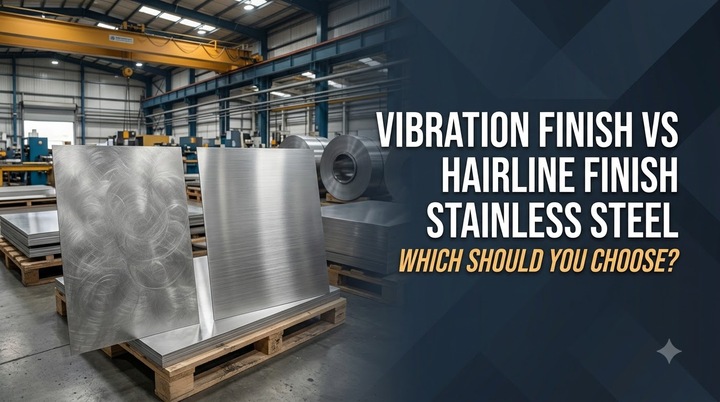
A Vibration Finish Stainless Steel Sheet undergoes a specific mechanical polishing process to create its signature look. Rotating abrasive materials apply a random overlapping circular abrasive pattern across the metal surface. This creates a non-directional satin appearance. The material does not reflect light in a single straight line. It instead offers a soft matte finish with very even light diffusion.
This non-directional stainless steel finish is sometimes called an Angel Hair finish in the metal industry. The random circular scoring creates a highly practical surface for busy commercial zones. It provides better concealment of fingerprints and minor scratches compared to highly polished metals. The multi-directional scratches blend naturally together. New surface scuffs simply get lost in the existing pattern. Fabricators often specify these decorative stainless steel sheets for environments requiring heavy daily use.
A hairline finish stainless steel sheet features a continuous linear grain running along the length of the metal. Specialised polishing belts grind the surface to create straight parallel lines. This generates a very distinct directional brushed appearance. The straight parallel grooves catch and reflect light in one specific direction.
The straight grain creates an elegant modern aesthetic favoured in many commercial architectural applications. This brushed stainless steel finish is noticeably more reflective than the vibration finish while remaining much less glossy than the mirror finish. The directional grain heavily influences the overall visual effect of the installed metal panels. Light reflection changes completely depending on the viewing angle. The straight lines visually draw the eye vertically or horizontally based on panel orientation. Interior designers often use this specific visual property to make commercial spaces look taller or wider.
Evaluating these two metal finishes side by side reveals distinct performance and visual differences. Project managers must review these parameters before making material final approvals for interior or exterior architectural installations.
|
Comparison Parameter |
Vibration Finish |
Hairline Finish |
|
Surface Pattern |
Random non-directional |
Straight directional |
|
Appearance |
Soft matte |
Linear brushed |
|
Light Reflection |
Diffused |
Directional |
|
Fingerprint Visibility |
Lower |
Moderate |
|
Scratch Concealment |
Better |
Moderate |
|
Maintenance |
Easier |
Regular cleaning recommended |
|
Design Style |
Contemporary |
Minimalist and modern |
|
Typical Applications |
Elevators retail hospitality |
Wall panels lift surrounds office interiors |
Understanding these material differences directly impacts the long-term success of commercial construction projects. The random surface pattern of a vibration finish stainless steel sheet diffuses ambient light equally in all directions. This prevents harsh glare in brightly lit hotel lobbies or shopping centres. The non-directional scoring also masks accidental damage effectively. Maintenance staff spend less time polishing these surfaces to keep them looking presentable.
A hairline finish stainless steel sheet demands slightly more attention regarding maintenance and installation. The straight grain catches dirt and oil more easily than random patterns. Cleaners must wipe the metal parallel to the grain to avoid cross-scratching the surface. The linear reflection creates a sharp and premium look. This works perfectly for corporate office environments with controlled lighting.
Fabricators installing stainless steel wall cladding must pay strict attention to grain direction when using hairline sheets. Installing one panel upside down changes the light reflection completely and ruins the visual consistency. Vibration finish panels do not have a set direction. Installers can cut and mount them in any orientation without altering the visual uniformity. This saves significant time and reduces material waste during complex architectural cladding projects.
Matching the correct metal finish to the intended physical environment prevents premature wear. Project locations dictate the appropriate choice based on traffic levels and lighting.
High foot traffic in hospitality environments requires materials that hide daily wear. Vibration finish panels mask luggage scuffs and passenger fingerprints near entrance areas while maintaining a premium appearance.
Corporate entry zones benefit from the elegant vertical lines of hairline finishes. The directional light reflection creates a structured and professional backdrop behind reception desks under focused spotlight illumination.
Retail environments require durable materials capable of handling constant customer interaction. Vibration finishes perform exceptionally well on display fixtures because they hide smudges and require less frequent daily wiping.
Elevator Stainless Steel Panels endure severe daily physical contact from passengers and cargo. Vibration finishes stand as the superior choice here, maximising scratch concealment and impact masking capabilities constantly.
Modern corporate workspaces frequently utilise interior decorative stainless steel featuring hairline finishes. The strict linear grain perfectly complements minimalist glass partitions and geometric furniture designs found within office interiors.
Food service venues demand sanitary and easily cleanable metal surfaces. Vibration finishes hide water spots and minor grease smudges significantly better than hairline sheets during busy dining service operations.
High-end homes utilise both finishes depending on the specific room. Hairline finish provides a sleek cabinet facing, while vibration finishes serve well for busy kitchen islands and utility zones.
Large interior walls require careful material selection to avoid light distortion. stainless steel wall cladding featuring a vibration finish simplifies installation because contractors avoid matching specific linear grain directions.
Custom metal furniture fabricators often select hairline finishes for table bases and structural accents. The linear brush marks accentuate the physical length and sharp geometric angles of bespoke interior furnishings.
Building professionals must evaluate several technical criteria before finalising material orders. Reviewing these specific project variables ensures the chosen metal surface meets all performance expectations.
The desired visual style dictates whether a random matte or a sharp linear aesthetic fits the space.
Cleaning frequency requirements determine if a facility can maintain the directional grain of hairline metal sheets.
High-traffic public areas require materials offering strong fingerprint resistance to reduce daily janitorial labour costs.
Ambient and directional lighting conditions heavily alter how these reflective metal surfaces appear after final installation.
Severe traffic intensity usually forces designers to select non-directional finishes for better long-term durability.
Exterior installation projects face different weathering challenges than climate-controlled interior architectural metal cladding applications.
Both metal textures are widely available as beautiful PVD stainless steel sheets featuring custom colored coatings.
Anti-fingerprint coating availability improves the daily surface performance of both hairline and vibration metal panels.
Budget constraints and long-term maintenance costs play a major role in final architectural material selection.
Vibration finishes provide maximum scratch concealment and easy maintenance for busy environments. Hairline finishes offer a sharp linear aesthetic for sophisticated architectural interiors. The final material choice depends strictly on your project aesthetic goals and daily functional requirements.