
Posted by Kailash Mittal
Filed in Arts & Culture 13 views
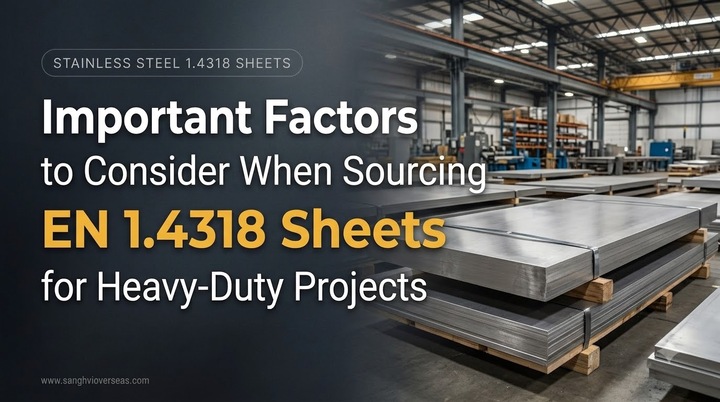
Material selection directly impacts the performance and service life of heavy-duty projects. Engineers must base their choices on practical operating conditions to avoid structural failures or excessive maintenance costs down the line. EN 1.4318, also designated as 301LN, is a high-strength stainless steel. It functions well in environments where strength, formability, and corrosion resistance are required. Buyers frequently specify EN 1.4318 Sheets, Plates & Coils for demanding applications. Careful evaluation ensures the metal handles the expected physical stress during daily operation.
Before issuing a purchase order, assess the specific mechanical demands of your application. You must evaluate static versus dynamic loading to determine how the metal behaves under continuous stress or sudden impacts. High-strength requirements dictate the baseline properties the material needs before fabrication begins. Operating temperature limits affect structural integrity, as thermal fluctuations change material behaviour.
Corrosion exposure needs careful assessment based on the actual working environment. Airborne salts or industrial chemicals alter how the steel degrades over its lifespan. Fabrication and forming requirements dictate workshop processing. Harder materials require specific cutting parameters. Understanding these variables ensures the chosen Austenitic Stainless Steel Products perform correctly in the field.
EN 1.4318 is selected over conventional austenitic grades in strength-critical applications due to its precise chemical composition. The low carbon content and added nitrogen create a microstructure capable of handling higher mechanical stress while remaining highly weldable. These key material characteristics allow fabricators to use thinner cross-sections without sacrificing structural stability or safety.
Typical industries where it is preferred include transportation, heavy engineering, and structural fabrication. Railway cars and bulk transport vehicles rely on Stainless Steel Sheets & Plates made from this grade to maximise payload capacity. Verifying these attributes guarantees the grade fits the engineering specifications exactly.
Buyers need to define the exact physical dimensions before ordering. Vague descriptions cause wrong deliveries and waste workshop time. Verify these material specifications with your supplier to make sure the steel fits your processing equipment.
The required thickness dictates if the incoming metal meets structural load limits and fits your machine parameters.
Exact width and length dimensions directly control the amount of scrap metal generated during workshop cutting operations.
The specified surface finish determines the baseline corrosion resistance and final visual appearance of the manufactured part.
Dimensional tolerances must align with the strict limits of your automated cutting and welding setups.
Mechanical property requirements define the exact yield and tensile strength you expect from the delivered steel batch.
The choice between available forms like flat sheets, heavy plates or SS coils changes how your facility unloads the raw material.
Heavy-duty projects demand strict traceability to guarantee structural safety and meet regulatory compliance standards. A Material Test Certificate (MTC) provides the exact chemical composition and mechanical testing results for the specific steel batch you receive. ASTM/EN compliance confirms the metal was manufactured according to standardised industrial practices.
Heat number traceability links the physical sheet back to the original melting furnace. Inspection reports document any surface defects or thickness deviations found before shipment. Third-party testing verifies supplier data where project specifications require extra independent validation. Storing these documents protects the company during future compliance audits or structural investigations.
A reliable supply chain matters just as much as the steel itself. Consistent stock availability prevents expensive production halts when your project requires additional material unexpectedly. Custom cutting capability at the supplier facility reduces the primary processing workload for your own fabricators.
Packaging for export requires sturdy wooden pallets and waterproof wrapping to prevent transit damage. Delivery timelines must match your fabrication schedule exactly to avoid bottlenecks. Technical support from the supplier helps resolve welding or forming queries immediately. Experience supplying heavy engineering projects proves the vendor understands rigorous quality control expectations. Choose competent partners for these structural orders.
Procurement errors during the sourcing phase create massive financial burdens later. Avoid these typical mistakes to maintain your project budget and strictly meet manufacturing schedules.
Selecting based only on price ignores hidden costs resulting from material defects, poor processing, or delayed supplier deliveries.
Ignoring certification leaves your project vulnerable to catastrophic structural failure and severe legal liabilities during long-term operation.
Ordering incorrect dimensions increases metal scrap rates and forces fabricators to waste valuable time welding smaller pieces together.
Choosing the wrong finish severely compromises the natural corrosion resistance required for the final fabricated structure in harsh environments.
Not considering fabrication requirements directly leads to cracked metal bends and rapid tool wear on the shop floor.
Delayed procurement planning forces buyers into expensive air freight choices or temporary project shutdowns while waiting for material arrival.
Successful sourcing depends on matching EN 1.4318 sheet specifications directly with project requirements while ensuring certified quality and reliable supplier support. Procurement engineers must evaluate mechanical properties, dimensional tolerances, and full traceability documents rigorously. Avoiding common purchasing mistakes keeps manufacturing on schedule and ultimately secures the right structural material for demanding industrial applications.